Is the Gili Islands a Good Place for Dive Instructor Training?
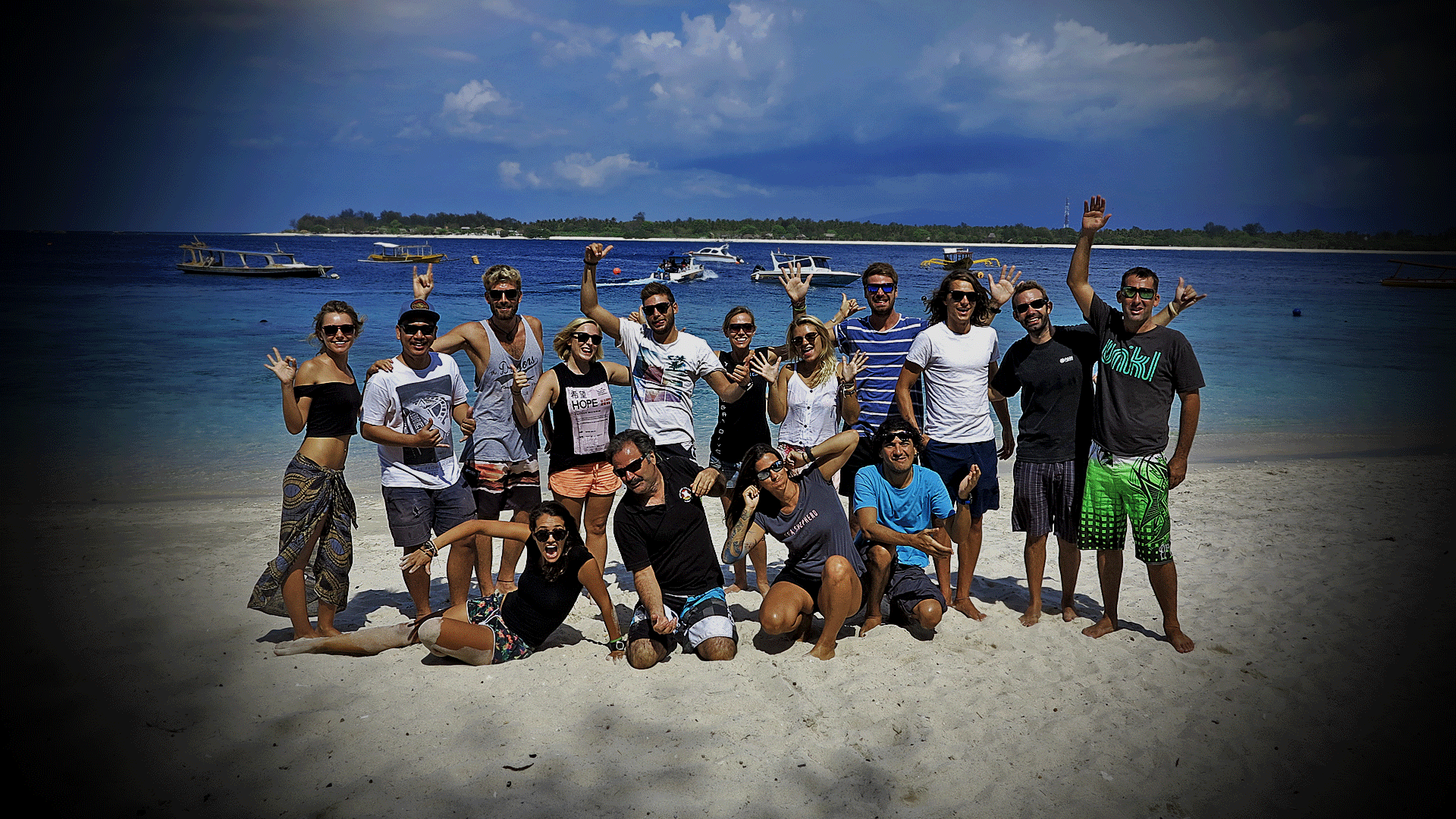
The Gili Islands are widely known as a popular diving destination in Indonesia. With warm waters, active marine life, and an established dive community, the islands attract divers from around the world. In recent years, interest in completing instructor-level training here has increased among Divemasters seeking professional certification.
This article evaluates whether the Gili Islands are a suitable location for dive instructor training. It examines key advantages, considers potential challenges, and provides objective insights to help candidates make informed decisions. Choosing the right training environment is an important factor in professional development and long-term career confidence.
Overview of the Gili Islands as a Dive Destination
Geographic Location and Accessibility
The Gili Islands are located off the northwest coast of Lombok, near Indonesia. The islands are accessible by boat from both Lombok and Bali, making them relatively easy to reach for international travelers. Regular fast boat services connect the islands to major tourist hubs, supporting a steady flow of divers and instructor candidates throughout the year.
Diving Environment
The region offers warm tropical waters with generally good visibility. Coral reefs and rich marine biodiversity make the area attractive for both recreational and professional diving. There is a variety of dive sites suitable for training, including shallow reefs and deeper sites. Environmental consistency, including stable temperatures and frequent dive schedules, supports repeated practice. This helps instructor candidates build confidence, refine teaching skills, and develop strong underwater control during training.
Advantages of Doing Instructor Training in the Gili Islands
Year-Round Diving Conditions
The Gili Islands offer year-round diving conditions that support consistent training schedules. Water temperatures remain stable throughout most of the year, allowing comfortable and repeated practice sessions. Visibility is generally good in most seasons, which helps instructor candidates demonstrate skills clearly. Consistent environmental conditions reduce interruptions and allow trainees to focus on improving teaching performance.
High Volume of Dive Activity
The islands have a high volume of daily dive activity. An active dive community means regular courses and frequent student divers. This provides instructor candidates with real opportunities to practice teaching skills under supervision. Exposure to active training environments helps build confidence and practical experience.
International Diving Community
The international diving community brings students from different countries and skill levels. This diversity exposes candidates to varied learning styles and communication needs. Teaching in real scenarios with diverse students improves adaptability, communication skills, and overall instructor readiness for global career opportunities.
Structure and Quality of Instructor Training Programs
Academic and Practical Components
Instructor training programs in the Gili Islands typically combine academic study with practical teaching development. Candidates must master dive theory, including physics, physiology, and safety standards. Confined water teaching sessions allow trainees to practice skill demonstrations and student control in a controlled setting. Open water evaluations focus on real teaching scenarios, group management, and risk awareness. This balance between classroom learning and water-based application builds both knowledge and practical competence.
Many candidates explore structured programs such as PADI IDC Gili Islands, which combine classroom-based theory, confined water training, and real-world teaching practice within an intensive instructor development framework.
Instructor Examination Preparation
Preparation for the Instructor Examination includes detailed standards review and mock teaching sessions. Performance assessments help candidates understand evaluation criteria and improve weak areas. Structured mentoring and focused exam preparation are essential for building confidence, meeting professional standards, and increasing success rates during final evaluations.
Mentorship and Training Environment Considerations
Experience of Course Directors
The experience of Course Directors plays a major role in instructor development. Years of professional teaching experience provide deeper insight into training standards and real-world diving challenges. A strong track record of certified instructors shows consistency and structured guidance. Experienced mentors understand common student weaknesses and provide targeted feedback to improve performance.
Dive Center Infrastructure
Dive center infrastructure also influences training quality. Well-maintained training facilities, reliable boats, and quality equipment support safe and organized sessions. A supportive learning environment encourages open communication and steady progress. Mentorship style directly impacts confidence and teaching skills. Constructive feedback, patience, and professional guidance help candidates grow beyond exam preparation and develop long-term instructor competence.
Financial and Lifestyle Considerations
Cost Factors
Before starting instructor training in the Gili Islands, candidates should carefully review total costs. Expenses usually include course fees for the Instructor Development Course, examination fees, and required study materials. In addition, living expenses on the island must be considered, including accommodation, food, and daily necessities. Costs can vary depending on the dive center and length of stay. Planning a realistic budget helps reduce stress during training.
Island Living Conditions
Life on the Gili Islands follows a small island lifestyle. Transport options are limited, and most movement is by bicycle or walking. The pace of life is generally slower compared to major cities. Candidates should prepare for lifestyle adjustments and plan finances carefully before committing to extended training on the island.
Career Opportunities After Completing Training in the Gili Islands
Local Employment Possibilities
After completing instructor training in the Gili Islands, some candidates find local employment at dive centers in Indonesia. The region often has seasonal demand linked to tourism patterns. Training in an active dive destination can create direct connections with local operators, which may support initial job opportunities.
International Career Mobility
Instructor certifications from recognized agencies provide global mobility. Graduates can apply for positions in tropical dive destinations worldwide. Internationally accepted credentials make it easier to work across different countries and dive environments.
Professional Growth
Professional growth continues through specialty instructor courses and leadership advancement. Building experience, expanding certifications, and maintaining strong professional networks support long-term career development. Location can influence early networking opportunities and exposure to potential employers.
Potential Challenges of Training in the Gili Islands
Intensive Training Schedule
Instructor training in the Gili Islands can be demanding. The schedule is often intensive, combining academic sessions with in-water practice. Candidates may experience academic pressure while mastering dive theory and standards. Skill performance evaluations require consistent accuracy and confidence under supervision.
Weather and Seasonal Variations
Although diving is available year-round, occasional rough sea conditions can affect schedules. Seasonal variations may influence visibility or boat access to certain sites.
Cost Management
Island pricing can be higher than mainland areas. Accommodation, food, and daily expenses require careful budgeting. Considering both advantages and challenges helps candidates make balanced, informed decisions.
Example of Instructor Training Center (Reference Only)
Professional Training Example
Business Name:
PADI IDC Gili Trawangan
Address:
Main Beach Road, Gili Indah, Gili Trawangan, Kabupaten Lombok Utara, Nusa Tenggara Barat 83355
Phone:
+6282147850413
Overview:
Instructor-level programs in the Gili Islands may be conducted under experienced Course Directors such as Holly Macleod, who has over 23 years of international experience and has certified approximately 3,500 instructors. Training may take place at established dive centers such as Blue Marlin Dive, which has operated for over three decades and provides structured instructor preparation environments.
These programs often emphasize teaching strategy, leadership development, risk management insight, and preparation for Instructor Examinations.
Who Is the Gili Islands Best Suited For?
Ideal Candidates
The Gili Islands are well suited for Divemasters seeking structured instructor training in an active dive environment. Candidates who are comfortable with island living and a slower pace of life often adapt well. The location also benefits those seeking international exposure, as the dive community includes professionals and students from many countries. This environment supports networking and cultural exchange during training.
Who Might Consider Other Locations
Candidates who prefer urban environments with more city infrastructure may consider alternative locations. Those needing lower living costs or greater access to mainland facilities may also explore other options. Assessing personal preferences and lifestyle compatibility helps determine the best training destination.
Considering instructor training in Bali? Read “Why Bali Is Popular for Professional Dive Training.” It explains the benefits and challenges. It helps you decide if Bali fits your goals.
Is It the Right Choice for You?
The Gili Islands offer strong environmental conditions and a well-established professional dive industry. Year-round diving, structured instructor programs, and active dive centers create valuable learning opportunities. Exposure to real teaching scenarios and international students can strengthen professional development.
However, costs, island lifestyle, and personal readiness must also be carefully considered. Training requires financial planning, commitment, and adaptability. Evaluating these factors honestly helps ensure a positive experience. Choosing the right location for instructor training is a strategic career decision that directly influences confidence, skill development, and long-term professional opportunities.